
For businesses
An Alternative to Eventbrite for Irish Food Events
Mosey · 5 min read
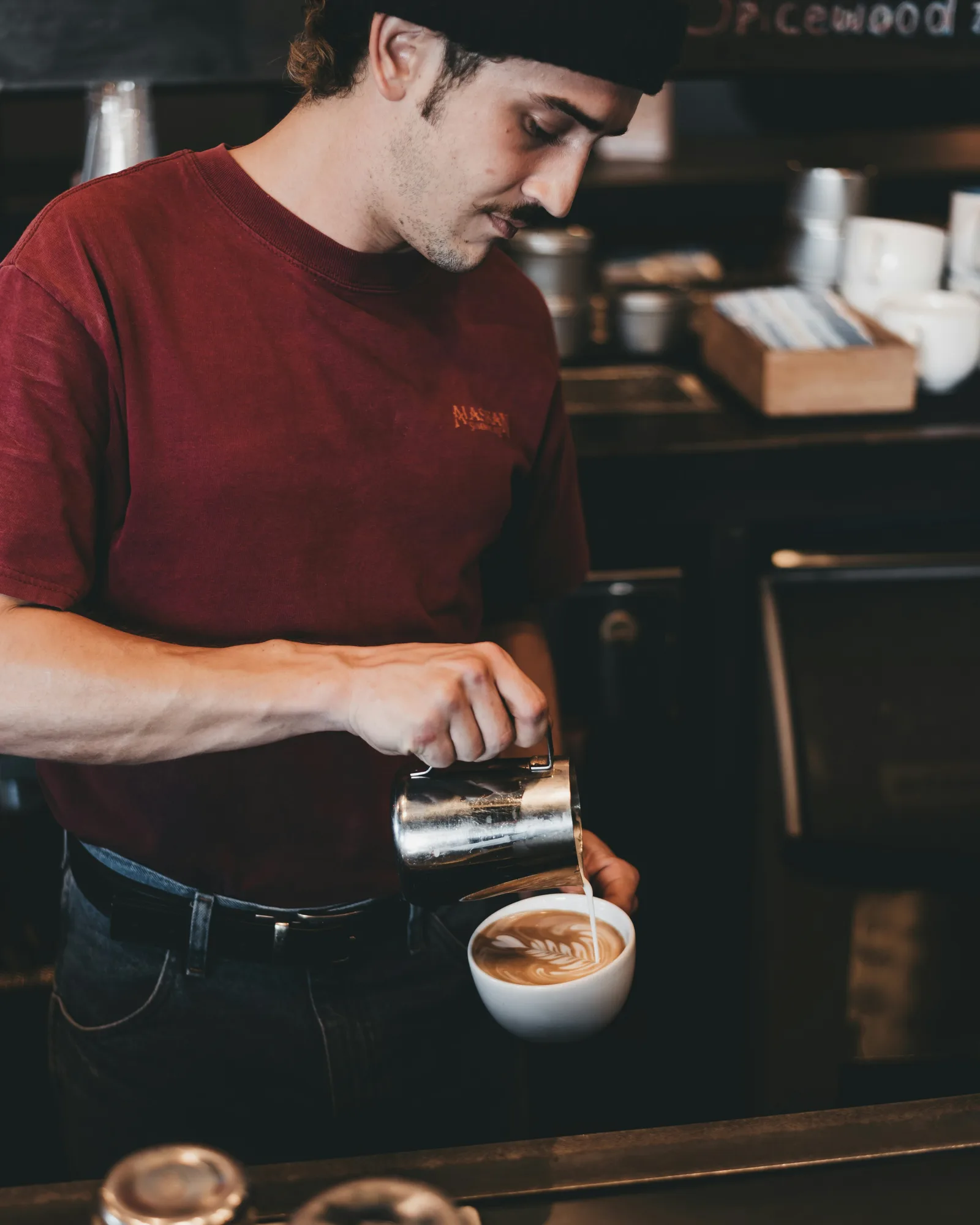
A supper club is not a concert. A cookery class is not a conference. But the big ticketing platforms sell all of them, the same way, to the same broad audience, and charge accordingly.
For a food business, two things decide whether a ticketing platform is worth it: what it costs per ticket and whether it reaches people who actually want food experiences.
How ticketing fees usually work
General ticketing platforms commonly charge a fee per ticket — often a percentage of the price plus a fixed amount — and card processing on top. Many let you pass the fee to the buyer, which protects your margin but raises the price they see. Fees differ by plan and change over time, so check the current pricing of any platform you are comparing.
The questions to ask are the same whichever you use:
- On a €40 ticket, how much reaches me?
- Who pays the fee: me, or the buyer?
- When does the money arrive: at sale, or after the event?
Why the audience matters as much as the fee
On a general ticketing site, your supper club sits among concerts, comedy, conferences and fitness classes. The people browsing are not, on the whole, looking for dinner.
A food event sells best to people who are already interested in eating out nearby — the ones who follow restaurants, rate what they eat, and look for something different to do on a Thursday.
Selling tickets on Mosey
Mosey is food-first, so your events appear where people are deciding where and what to eat.
- Cost: 4% of the ticket price, plus Stripe's card fee at cost. The buyer pays a €1.29 booking fee on top. Free events cost nothing.
- Money at sale: it reaches your Stripe account when the ticket is bought, so ingredients and staff are covered before the night.
- Check-in: each ticket carries a code staff scan at the door, and it cannot be used twice.
- Waitlist: when a ticket is cancelled, the next person waiting is told.
- Messages: send one update to every ticket holder.
- Cancellation: cancelling an event notifies and refunds every ticket holder.
A worked example
A bar runs a monthly quiz, 80 places at €10 a head.
That is €800 a night. Mosey's commission is 4%, or €32, leaving €768 before Stripe's card fee, before the quiz starts. Each team pays the €1.29 booking fee on top of the ticket price.
The quiz then sells drinks for four hours to a room that was empty on Tuesdays before — which is the real return.
Refunds and the 14-day rule
People often assume anything bought online can be returned within 14 days. For an event on a specific date, that is not the case: leisure services for a set date are exempt from the right of withdrawal. Your own refund policy applies, and it is worth stating it clearly on the event page.
Food events worth trying
If you have never run a ticketed event, these formats are proven and easy to start with:
- A supper club — one sitting, a set menu, communal tables
- A producer night — a winemaker, a brewer or a cheesemaker at the table
- A cookery class — small numbers, something people can make at home afterwards
- A tasting menu preview — the new menu, a week before it launches
- A quiz or music night — a reason to fill a quiet weeknight with regulars and their friends
Start with one a month, on the same night, so people learn to expect it.
Events that fill
Food events that sell well tend to have:
- A specific promise — "five natural wines with the winemaker", not "wine night"
- A limited number of places, stated up front
- A date far enough ahead for people to plan, but close enough to feel real
- A quiet night, so the event adds trade rather than moving it
Pricing a ticket
Price a food event from the cost up, not from what other events charge:
- Ingredients per head, including the extra you always make
- Staff for the night, including set-up and clean-down
- The room, if it would otherwise be earning
- Commission — on Mosey, 4% of the ticket — plus Stripe's card fee
Then add the margin you need, and check the result against what a customer would happily pay for the experience you are describing. If the numbers do not meet, change the format — fewer courses, a set menu, a shorter evening — rather than hoping the bar makes up the difference.
Beyond the ticket
Because the event sits on the same profile as your menu, ratings and bookings, somebody who discovers your supper club also discovers your restaurant, and the other way round. And a ticket bought through Mosey can count towards loyalty, so an event-goer can become a regular.
When a general platform still makes sense
If your event is not really about food — a festival with music, a conference with lunch attached — a general ticketing platform's broad audience may suit it better. For tastings, supper clubs, cookery classes and pairing dinners, a food-first platform reaches the people most likely to buy.
What it connects to
Questions
Common questions
How do ticketing platforms usually charge?
Commonly a fee per ticket, often a percentage plus a fixed amount, on top of card processing. Many let you pass the fee to the buyer. Check each platform’s current pricing.
What does Mosey charge for event tickets?
4% of the ticket price, plus Stripe’s card fee at cost. The buyer pays a €1.29 booking fee on top. Free events cost nothing.
When do I receive ticket money?
When the ticket is bought, through your own Stripe account, so the cash is there to cover ingredients and staff before the night.
Do ticket buyers get a 14-day cooling-off period?
No. An event on a specific date is leisure for a set date, which is exempt from the 14-day right of withdrawal. Your own refund policy applies.
Can I run a waitlist when an event sells out?
Yes. When a ticket is cancelled, the next person on the waitlist is told, so a sold-out night stays full.
How do people check in?
Each ticket carries a code staff scan at the door, and a ticket cannot be used twice.
Can I message everybody who bought a ticket?
Yes. You can send an update to all ticket holders, for a change of time or a reminder of what to bring.
What if I have to cancel?
Cancelling an event notifies every ticket holder and refunds them, so nobody is left chasing you for their money.
More like this
Read next
A Free Restaurant Booking System, and What Free Covers
Plenty of booking systems are "free" until the first busy weekend. Here is what a genuinely free plan should include, where the catches usually hide, and how to tell when it is time to pay for more.
Take Card Payments Without a Card Terminal
A card terminal is one more device to rent, charge and pay fees on. For customers who use Mosey, the phone in their pocket can do the same job — and record their loyalty at the same time. Here is how it works, and where you still need a terminal.
How to Reduce No-Shows at Your Restaurant
No-shows are not one problem, so there is no single fix. Most are forgetting, some are carelessness, and a few are habit. Here is how to deal with each, starting with the cheapest.
How to Run Restaurant Promotions That Actually Work
Most restaurant promotions discount a meal somebody was going to buy anyway. The ones that work move demand into a quiet hour, sell a limited number, and bring people back at full price. Here is how to run those.
Get started
List your place on Mosey
Free to list. Order Ahead is 1.5% commission, and there is no monthly fee to start.